
Blog
Writing on email that doesn't suck
Design, deliverability, and the occasional statistic. No listicles about "10 email marketing tips" unless the tips are actually good.

A/B Testing With a Small List: What to Do When You Don't Have the Volume for Significance
Most A/B testing advice assumes a list size most small businesses don't have. A 22% vs 18% open rate on a few hundred sends usually isn't a result, it's noise. Here's what to test instead, and why.

Email Deliverability Basics: What SPF, DKIM, and DMARC Actually Do
Three different acronyms that get treated as interchangeable checkboxes. They're not redundant, each one closes a gap the others leave open, and understanding the gap is the difference between copying a DNS record and actually knowing what it protects.

GDPR and CAN-SPAM Basics Before You Send Your First Campaign
The two laws work on opposite logic: one assumes you can email someone until they opt out, the other assumes you can't until they opt in. Mixing them up is the single most common compliance mistake a first-time sender makes.

How Often Should You Actually Email Your List? A Genuinely Debated Question
One camp says email more, revenue follows. Another says email less or you'll burn the list out. Both have real evidence behind them, because they're usually describing different lists with different expectations, not different universal truths.

Building an Email List From Zero: What Actually Works for a Brand-New Business
Most list-growth advice assumes you already have traffic to convert. A brand-new business doesn't have that yet, which is exactly the problem the usual advice skips over. Here's what actually gets the first few hundred subscribers.

Marketing Budget Allocation for Small Businesses: A Realistic Starting Split
Most budget allocation advice is written for a company that already has a proven channel and a sales team to match. Here's a starting split for a business that doesn't have either yet, and the mistake that wastes the most money early on.

Designing for Dark Mode: What Actually Breaks in Email
About a third of email opens now happen in dark mode, but each client decides what that means on its own, sometimes ignoring your CSS entirely. Here's what actually breaks, and the two legitimate ways to handle it.

White Space in Email Design: Why More Empty Space Usually Converts Better
Cramming more into an email feels like getting more value out of the send. The data points the other way: whitespace measurably improves comprehension, and one well-known case study saw a 232% conversion lift from removing clutter around a single CTA.

How to Write Like a Person, Not a Brand
A study that fed people two versions of the same memo, one plain, one full of corporate-speak, found the jargon version tanked comprehension and recall. Here's why that matters for email, and what an actually useful voice guide looks like.

Writing for Skimmers: How People Actually Read Your Email
Eye-tracking research says nobody reads your email top to bottom. They scan it in a predictable pattern, looking for a handful of anchors. Here's what those anchors are and how to write for them.

Is There Really a Best Time to Send an Email? The Studies Don't Agree
Every listicle names one magic day and hour with total confidence. Then the next listicle names a different one. Here's why the studies actually contradict each other, and what to do about it instead.

How to Write a CTA Button That Isn't "Learn More"
"Learn More" isn't wrong, it's just doing zero work. A single pronoun swap produced a 90% clickthrough lift in one of the most cited button-copy tests ever run. Here's the mechanism behind it, and what else actually moves the number.

Email Segmentation for a Small List: The 3 or 4 Segments That Actually Move Revenue
Most segmentation advice is written for a list of 500,000 with a data team behind it. For a small list, the entire benefit comes from three or four honest splits done well, not fifteen clever ones you'll never keep updated.

Subject Line "Hacks" That Work vs. the Ones That Don't (Mythbusting)
Add an emoji. Keep it under 50 characters. Never write "free." Every one of these gets repeated as settled fact, and every one of them has a study contradicting it. Here's what actually holds up across the research and what doesn't.

Cart Abandonment Emails: Why Most Underperform, and What Actually Fixes It
The average abandoned-cart flow still only recovers a fraction of lost sales, and it's usually not the tactic that's broken. It's the timing, the discount you led with, or measuring against shoppers who were never going to buy in the first place.

Re-Engagement Campaigns: When to Send One, and When to Just Prune the List
Every list-hygiene guide says to win back inactive subscribers before deleting them. That's true for some of them and a waste of a spam complaint for others, and the difference comes down to separating "gone quiet" from "never engaged at all."

Preview Text: The 40 Characters Most Senders Leave to Chance
The line of text sitting next to your subject line in the inbox is either doing work or leaking your logo's alt text. How preview text actually gets pulled, the character limits by client, and the hidden-preheader trick that fixes it.

The Right Font-Family Stack for HTML Email (and Why the Order Matters)
Copy-paste font-family stacks for HTML email, plus the actual mechanism that decides which font in your stack shows up in a given recipient's inbox and which ones never get a chance.

Web Fonts in Email: What Actually Renders, and What Silently Falls Back
Drop a Google Font into an email and a meaningful share of your list will never see it. Here's exactly which clients render custom fonts, which ones fake it, and how to build a fallback stack that still looks intentional.

AIDA, PAS, and BAB: Do Copywriting Frameworks Actually Help, or Are They Crutches?
Every marketing blog teaches these three formulas like settled wisdom. The more useful question is when each one actually fits, and when it just makes your copy sound like a template.

Why Open Rate Alone Is a Bad Engagement Metric (and What to Track Instead)
If your open rate looks suspiciously good, it's probably not you, it's Apple. And the metric everyone recommends instead has a quieter problem of its own worth knowing about.

Email Accessibility: Alt Text, Contrast, and What Screen Readers Actually Do With Your HTML
Accessibility gets treated as a checkbox for a niche audience. It isn't. Here's what alt text, contrast ratios, and heading structure actually do, and why most of it helps every recipient, not just screen reader users.

What Actually Goes in a Welcome Email Sequence (Email 1, 2, and 3)
The 'send 5 emails over 8 days' advice is everywhere and the sources behind it disagree with each other constantly. Here's what has real evidence behind it, and what to actually put in the first three emails.

Why Your Emails Land in Gmail's Promotions Tab (And What Actually Fixes It)
Most advice treats this as one problem. It's actually two, one you can fix from inside your email and one you can't, and almost nobody separates them.
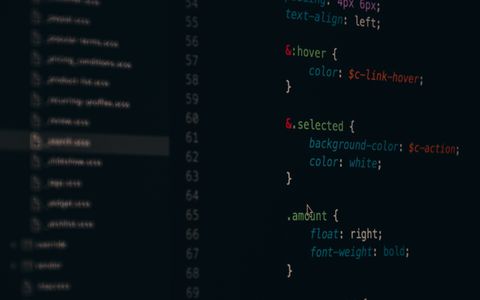
How to Send HTML Emails From a React App Without Losing Your Mind
Your app is React. Email HTML is not. A practical guide to the gap between them, and how React Email closes it.

13 Email Marketing Statistics Worth Knowing in 2026
Open rates, ROI, and what actually moves the needle this year, with sources, not vibes.
Why Your Marketing Emails Look Broken in Gmail and Outlook
Looks perfect in your inbox, falls apart for half your list. A walkthrough of the specific things that break, and why email HTML is stuck in 2003.

How to Design a Marketing Email When You're Not a Designer
You don't need Figma skills to make an email look professional. Here's the actual structural stuff that matters, and the stuff you can safely ignore.

The Ultimate Guide to Email Fonts
Everything you need to know about choosing, embedding, and fallback-stacking fonts in HTML email — client support matrix, recommended stacks, and sizing best practices.
Comparing tools? See how Emlet stacks up against Mailchimp, Canva, and ChatGPT →